
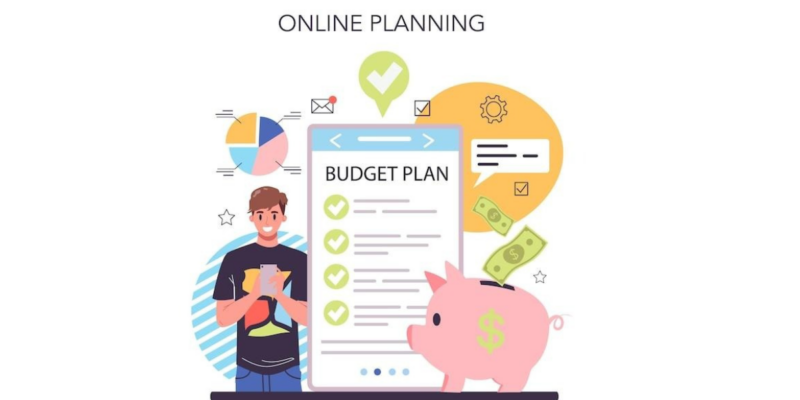
Financial planning and budgeting would no longer be static but an annual exercise in present day fast-paced business environment. The organizations would need agility and real-time insights to respond to market changes, manage costs and drive sustainable growth. This would be where planning budgeting software would play a crucial role. However, as numerous solutions would be available in the market, selecting the right one would feel overwhelming.
This blog would guide the key factors organizations can consider while choosing planning budgeting software that would align with your business goals, financial complexity and future growth plans.
Why Planning Budgeting Software Matters
It would be easier for organizations to streamline and automate their budgeting, forecasting and financial planning processes with the help of planning budgeting software. Using the software instead of spreadsheets would require less manual work, reduce errors and enable collaboration. The deployment of scenario analysis, rolling forecasts and real-time reporting capabilities was necessary for informed decision-making.
With proper planning budgeting software choice, the finance teams can start focusing on analysis rather than consolidating the data.
How to Select Planning Budgeting Software for your business?
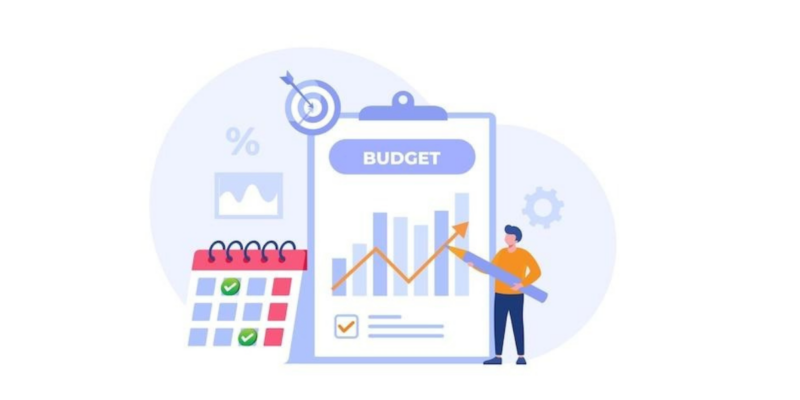
Step 1: Define Your Business Requirements Clearly
It is important to understand the internal needs of the organization before evaluating vendors. Not every planning budgeting software solution would be built for the same purpose.
The organizations should ask themselves whether:
- They are budgeting annually, quarterly or using rolling forecasts?
- Do they need multi-department or multi-entity consolidation?
- Are scenario planning and what-if analysis important?
- How complex are their revenue and cost structures?
Defining requirements clearly would help organizations narrow down solutions that would match the organization’s size, industry and financial maturity.
Step 2: Evaluate Ease of Use and User Adoption
The most powerful planning budgeting software would fail if the users would find it difficult to operate. The finance teams, department heads and business managers should be able to navigate the system without considerable training.
The organization should look for a software that would offer:
- An intuitive user interface
- Spreadsheet-like data entry for familiarity
- Minimal dependency on IT teams
- Self-service reporting for non-finance users
There would be faster adoption and better collaboration across teams due to high efficiency.
Step 3: Check Integration Capabilities
The organization’s planning budgeting software should not function in isolation. The seamless integration with existing systems would be essential for accurate and timely data flow.
Ensure the software should integrate well with:
- ERP and accounting systems
- Payroll and HR systems
- CRM and sales platforms
- Business intelligence tools
The strong integration capabilities would reduce manual data uploads and ensure a single source of truth across the organization.
Step 4: Assess Forecasting and Scenario Planning Features
Modern finance teams would need more than static budgets. The right planning budgeting software should support dynamic forecasting and scenario modelling.
Key features to look for would include:
- Rolling forecasts
- What-if scenario analysis
- Driver-based budgeting
- Analysis for strength for key variables.
These capabilities would enable organizations to react promptly to changes in costs, demand or the economic environment.
Step 5: Consider Scalability and Flexibility
The financial planning in an organization would have to change as the business grows. So, the firms should always look for scalable planning budgeting software so that the organization does not outgrow the system within a few years.
There should be an assessment done by the organization if the software can.
- Handle increasing data volumes
- Support additional business units or geographies
- Adapt to new planning models
- Accommodate regulatory or reporting changes
A flexible solution would protect your long-term investment and support business expansion.
Step 6: Review Reporting and Analytics Capabilities
Effective budgeting would only be valuable if insights would be easy to interpret and act upon. Strong reporting and analytics would be an essential feature of planning budgeting software.
The organizations should look for capabilities such as:
- Real-time dashboards
- Customizable reports
- Variance analysis
- Drill-down views from summary to transaction level
Advanced analytics would enable finance leaders to identify trends, risks and opportunities faster.
Step 7: Evaluate Security and Compliance Standards
Financial data is highly sensitive, making security a non-negotiable factor. The planning budgeting software which the organization would choose must meet enterprise-grade security and compliance requirements.
The key considerations would include:
- Role-based access controls
- Data encryption
- Audit trails
- Compliance with financial and data protection regulations
Strong security would ensure data integrity and builds trust among stakeholders.
Step 8: Understand Vendor Support and Implementation Effort
Successful implementation would be just as important as software features. The organization should assess the vendor’s support model and implementation approach.
They should consider:
- Implementation timelines
- Availability of training and documentation
- Ongoing customer support
- Product roadmap and update frequency
Reliable vendor support would ensure smoother onboarding and long-term success.
Step 9: Analyse Total Cost of Ownership
Cost should be evaluated beyond the initial license fee. A clear understanding of total cost of ownership would help avoid unexpected expenses.
The organizations should look into:
- Subscription or licensing fees
- Implementation and customization costs
- Training expenses
- Support and maintenance charges
The organizations should compare the pricing against the value delivered by the software rather than choosing the cheapest option while choosing planning budgeting software.
Step 10: Request Demos and Pilot Testing
A product demo or pilot projects could be asked by the organization before they make a final decision. This would allow the team to test a real-world use case and validate whether the software would meet its expectations.
With products demos the company can focus on:
- Building budgets and forecasts is easy.
- Reporting flexibility
- Collaboration features
- Performance and speed
Hands-on evaluation would reduce the risk of choosing the wrong solution.
Conclusion
A smart organization that is looking to enhance financial efficiency and business performance must choose planning budgeting software carefully. By clearly defining their requirements, organization should choose the solution that would serve their current requirements and can be scaled up to meet future growth. The solutions then can choose must prioritize usability, guarantee integration and evaluate scalability.
The ideal planning budget software will help teams acquire smarter planning and issues these are pre-empted through accurate forecasts and informed decisions made with data.
