
Introduction
Accounts receivable represents the amount of money owed to a business by its customers for goods or services provided on credit. It would form a significant part of working capital and would directly affect cash flow. Traditional accounts receivable processes would often involve manual tasks such as invoice creation, payment tracking, reconciliation and follow-ups. These manual activities would take time, require continuous supervision and carry a high risk of delay or error.
Accounts receivable automation would replace these manual procedures with digital systems that will manage the end-to-end receivables process. It would use software to record, monitor and process customer invoices and payments. The purpose of this automation would be to ensure accuracy, speed and control over the financial cycle.
Automation of accounts receivable does not remove the finance team’s role but will enhance it. With the help of automation, finance professionals would be able to focus on value – based activities such as credit management, cash flow forecasting and customer relationship management.
What is Accounts Receivable Automation?
Accounts receivable automation would refer to the use of technology and software systems to manage the entire receivables process from invoice generation to payment collection and reconciliation without manual intervention.
Accounts receivable automation would include the use of technology and software systems to manage payment collection and reconciliation without manual intervention.
The software would perform several key functions:
Reconciliation: While reconciling, it would match received payments with the respective invoices to maintain an accurate ledger.
Reminders and Communication: The software would send automated payment reminders and statements to customers to ensure timely payment of dues.
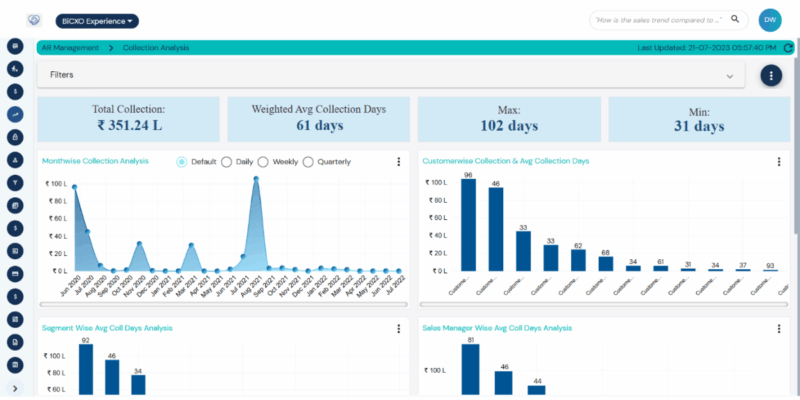
Reporting: Reporting would become easy for organizations as it would produce dashboards and reports showing receivable aging, collection rates and outstanding balances.
Through these functions, accounts receivable automation would create a consistent, transparent and real-time view of receivable activities. The data would remain updated and decision-makers can monitor collections and cash flow at any time.
Benefits of Accounts Receivable Automation
Improved Accuracy
Automation would remove this risk by integrating data directly from the sales or contract system. To prevent duplication and ensure consistency the system would apply predefined rules and validations. As a result, the financial data would become reliable and audit-ready.

Real-Time Tracking of Receivables
The accounts receivable automation would provide real-time visibility into each customer’s outstanding balance, due date and payment status. The dashboards would display key metrics such as total receivables, overdue accounts and collection trends. The visibility would allow management to identify delays and initiate timely follow- up actions.

Enhanced Cash Flow Management
Better cash flow forecasting would be supported by accurate and up- to-date receivable information. The finance team would be able to project incoming cash based on actual customer payment behaviour rather than estimates. Predictable cash flow would enable better planning for expenses, investments and operational requirements.
Reduction in Collection Costs
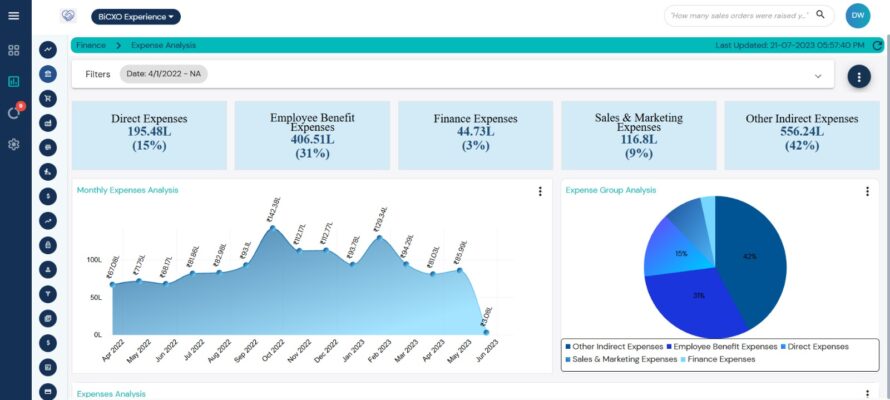
Manual collection processes would involve repetitive communication, document handling and administrative work. These costs would be eliminated by automation by eliminating redundant tasks. The automated reminders, digital statements and online payment links would reduce the need for manual follow-up and paperwork. With time, this efficiency would lower administrative expenses and increase the productivity of the finance team.
Strengthened Customer Relationships
Transparency between business and their customers would be enhanced by accounts receivable automation. The system would prevent confusion or disputes by clear, timely automated reminders. This transparency would improve trust and communication between the two parties.
Better Risk Control
The system would maintain detailed records of customer transactions and payment patterns. It would highlight customers with consistent delays or defaults. This information would allow credit managers to adjust payment terms or credit limits as needed. Automated credit checks and alerts would further prevent high-risk transactions thus protecting the organization from potential financial losses.
Compliance and Audit Support
The automated systems would maintain complete logs of invoices, payments and communication. These systems would ensure full traceability as each record would carry a timestamp and reference. This documentation would simplify audit preparation and support compliance with financial reporting standards and internal controls.
Implementation Practices for Accounts Receivable Automation

Process Assessment
Organizations should review their existing accounts receivable process before implementing automation. By making current workflows, the accounts receivable automation would help organizations identify bottlenecks and pain points. Such an assessment would ensure that automation would target the areas with the most significant improvement potential.
Selection of Suitable Software
To choose the rights receivable automation tool, factors like business size, transaction volume and integration needs would have to be considered. The selected software should then collect seamlessly with the existing accounting and customer relationship systems. The scalability and support for multiple currencies or payment methods may also be considered for businesses with diverse operations.
Data Integration and Cleansing
The organizations which wish to have accurate automation would require clean and consistent data. The customer records, account numbers and outstanding invoices must be verified and standardized before deployment. Data integration would ensure that every transaction will smoothly between systems without manual intervention.
Customization of Rules and Workflows
Every organization would have unique credit policies and payment terms. The accounts receivable automation software would allow customization of rules for invoice reminder frequency and dispute handling. Defining such parameters at the setup stage would ensure that automation would reflect the company’s policies accurately.
Continuous Monitoring and Improvement
Regular monitoring post implementation would ensure that accounts receivable automation would continue to perform effectively. Reviewing such key metrics such as collection time, overdue ratio and error rates would help measure progress. The organization would be able to refine workflows or update system configurations based on these insights.
Conclusion
Accounts receivable automation would transform the traditional credit management process of organizations into an efficient, data- driven system. The automation would remove manual errors and enhance visibility over receivables. The organization would then see improvements in cash flow, accuracy and compliance that would strengthen the financial position of the organization.
Implementation of accounts receivable automation would require structured planning, software selection, data presentation and user training. When executed effectively, automation would allow finance teams to shift focus from transactional work to strategic financial management.
Accounts receivable automation will therefore function as both a technological advancement and an operational necessity. It would ensure that businesses would maintain steady cash flow, improve working capital efficiency and build stronger relationships with their customers all through a consistent, transparent and reliable financial process.
